
Into the Obscuradrome
Welcome back to the Obscuradrome. I'm Bob Pastorella, co-host of the This Is Horror podcast, author of The Small Hours, co-author of They're Watching with Michael David Wilson, and Mojo Rising, which is out of print as of this writing. This is my newsletter, housed now at my website powered by Ghost.
Any Colour You Like
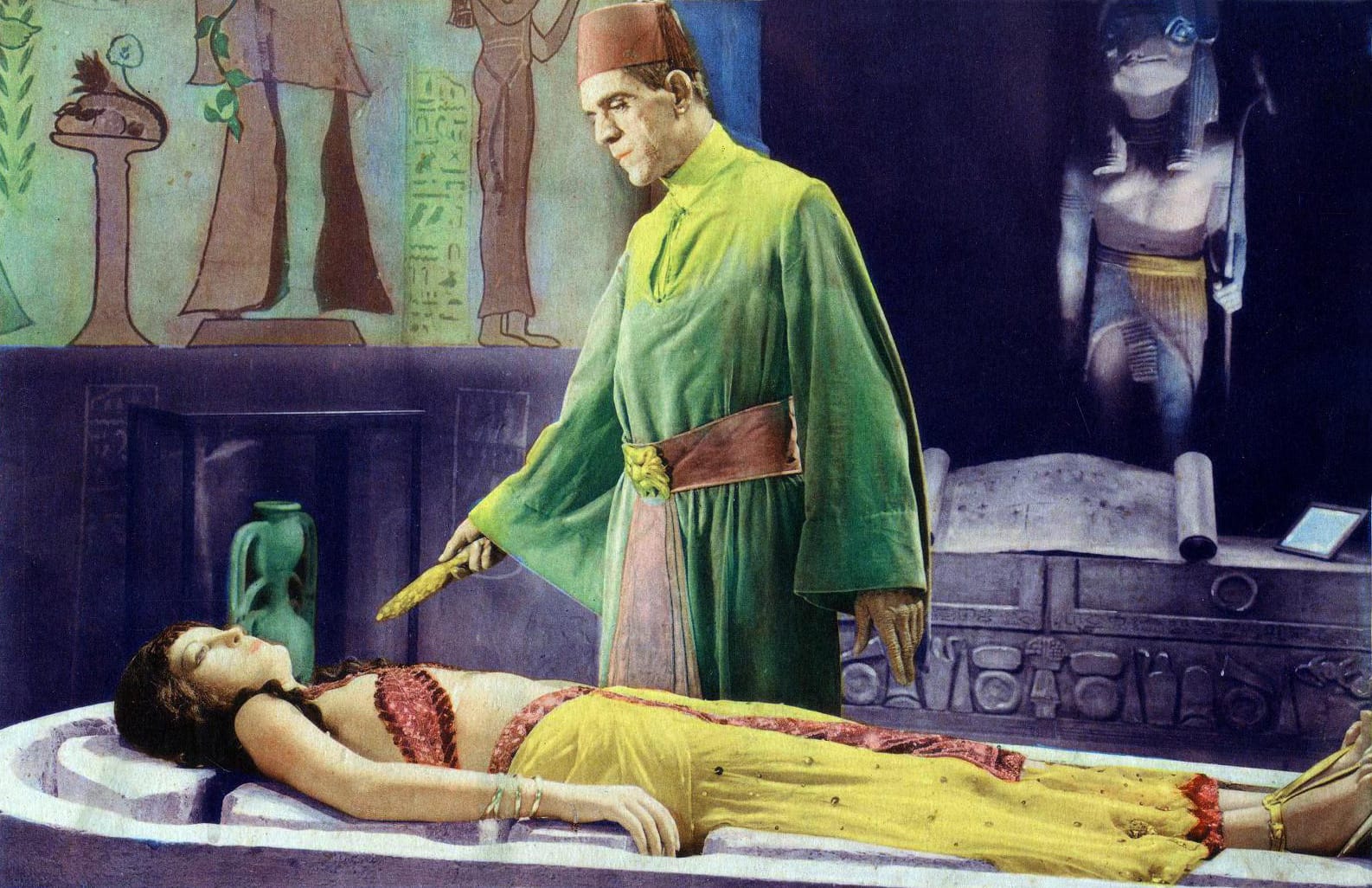
Lately I've been focused on the colors of the occult. Now you're probably thinking, well ... of course the occult has colors, why wouldn't it? For the longest time, I associated the occult with black, probably because of The Black Arts by Richard Cavendish (it's right there in the title!), and the hundreds and hundreds of movies, tv series, books, comics, and stories that use black and the varying shades of grey to symbolize the occult. I read the Cavendish book at a way too young age ... it may have been one of the first used books I ever bought. Mostly every single horror movie poster ever made has black, and sometimes it's the main color. When all you see is black, and those stories deal with the occult, that term becomes sinister, and sinister leans to darker colors. The pictures of woodcuts in old books about the witchcraft, vampires, and other such malicious lore are in black and white, devoid of color. I doubt this was some kind of conscious effort for the most part, it's just how the books were printed.
And it's not like everything suddenly became color when The Wizard of Oz released back in 1939 (though there were earlier films that used the Technicolor process). But for someone of my age, whose media content tends to be that of horror and horror adjacent properties, black and shades of grey meant evil, and that meant the occult in a lot of instances, so it's easy to see black and grey as the colors of the occult.
The occult is not malicious. The definition used here: of or relating to supernatural or supernormal powers or practices or the knowledge of them, doesn't mention anything about evil or malicious intent. Ceremonial ritualistic magick is by nature neutral, so intent comes from the practitioner of such rites and traditions.
Life is full of color, usually vibrant and bright, so why would ceremonial magic be any different? This really sinked in for me from two things, and probably a 3rd just based on title alone. The first was reading Our Share of Night by Mariana Enriquez. The subtle use of color associated with the Order and the Darkness help create a vibrant world that feels alive. The second is Ghost of Yōtei, which while not necessarily a supernatural game, implies a lot of colorful visual cues, especially when associated with the folklore narratives nested in the game. Golden yellow for the Alters of Reflection, fields of lillies, white flowers in fields allowing for swifter travel on horseback ... the world is vibrant, alive, and absolutely gorgeous. The third is The Saint of Bright Doors by Vajra Chandrasekera, which I just started reading and is wild as hell so far. The world in this fantasy novel is full of color, which makes it feel alive.
Malicious intent corrupts ritual, though that doesn't mean the corruption is black and shades of grey. Corruption is also hues of red, green, yellow, even purple, and all shades in between. We think of our internal organs as red because of the blood that fills our bodies, and our blood is always red, but it can be different shades of red depending on how it reacts to other molecules, like oxygen. Some organs aren't red, leaning closer to purple or brown, even pink. Sometimes our blood appears purplish, other times bright like what you see in those classic Hammer horror films. Yet in films and tv series, we often see supernatural corruption displayed as black, which to me is lazy basic shorthand for "this is supposed to be evil".
Evil, like everything else, can be any colour you like.
We should utilize all the colors when describing the supernatural and paranormal. Relying on black or dark colors to signify evil feels kind of lazy. We've been conditioned to use that color, or lack thereof, because it's been ground into our minds from infancy black is the color of horror. Utilize color when dealing with the occult. Remind us of the hues of flowers and herbs used in rituals, the shades of ceremonial robes worn when conjuring, and let intent guide the colors of the end result. I feel this level of description can only help our occult world come alive on the page.
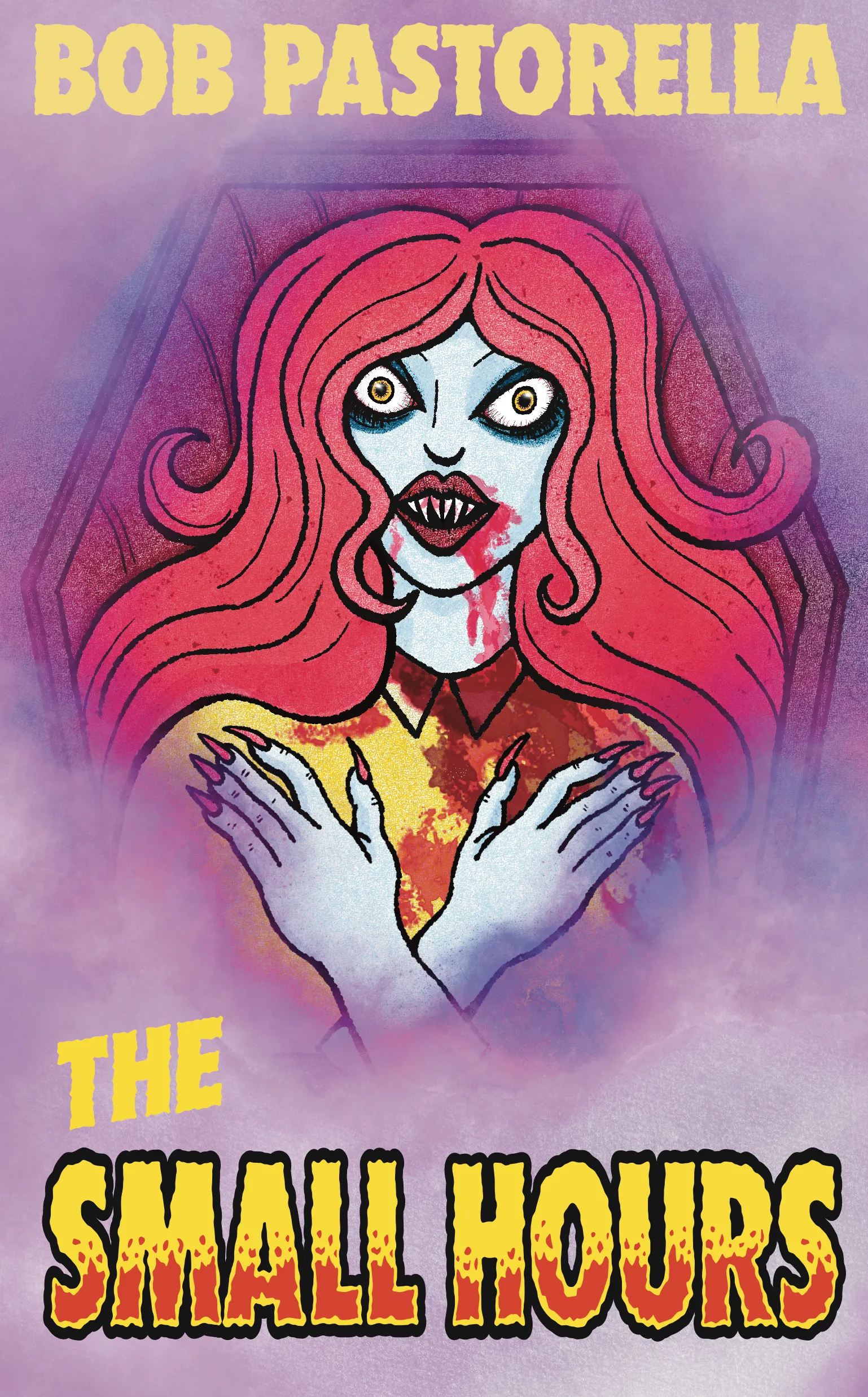
My splatterpunk vampire novel debut, The Small Hours is out now. Southeast Texas Backyard Noir meets small town Urban Dread. It's funny, it's horny, and it's so, so bloody. Think Fright Night meets Suicide Kings and you're on the right track. A playful and gory spin on a vampire classic.
Get it at the Ghoulish website
If you've read it, please leave a review.
peace&love